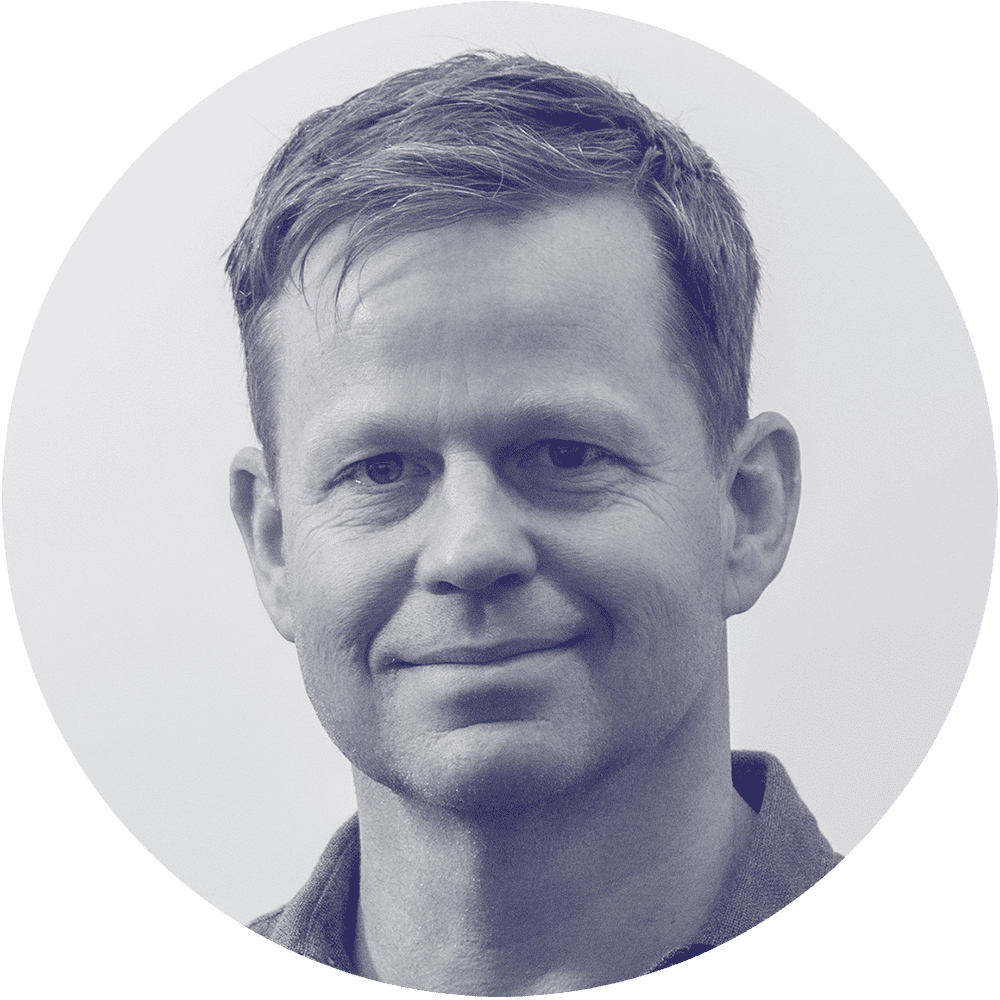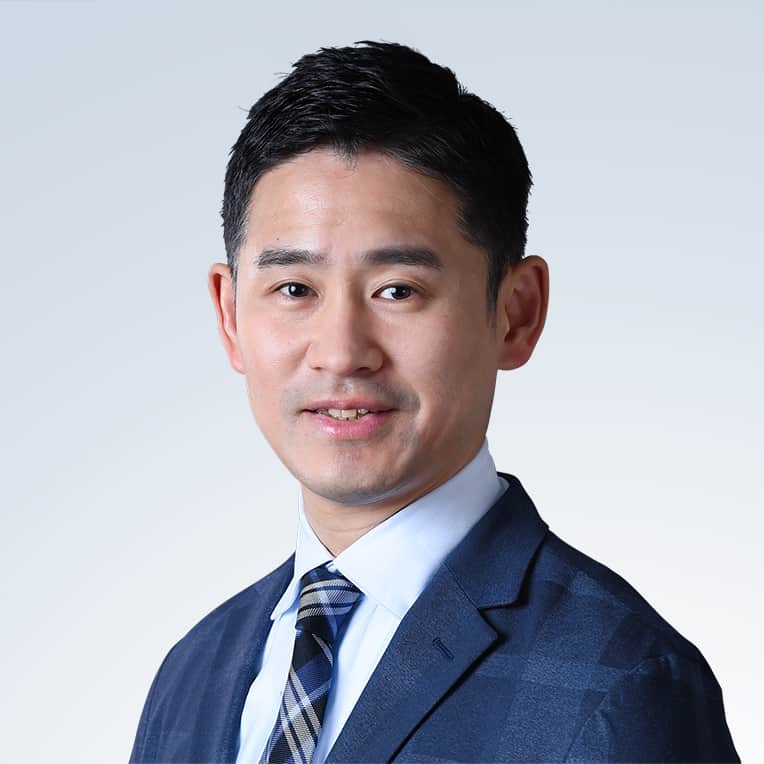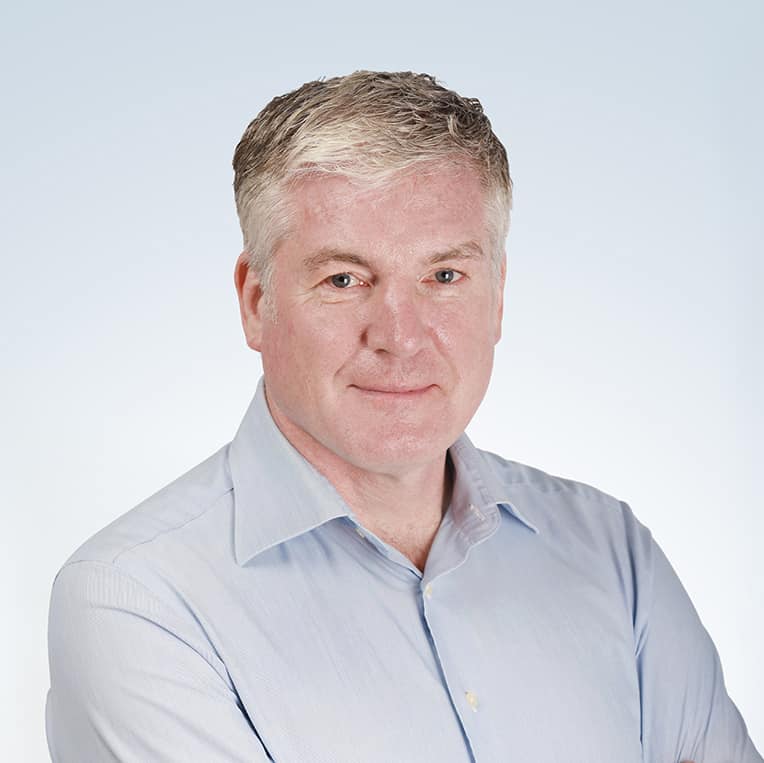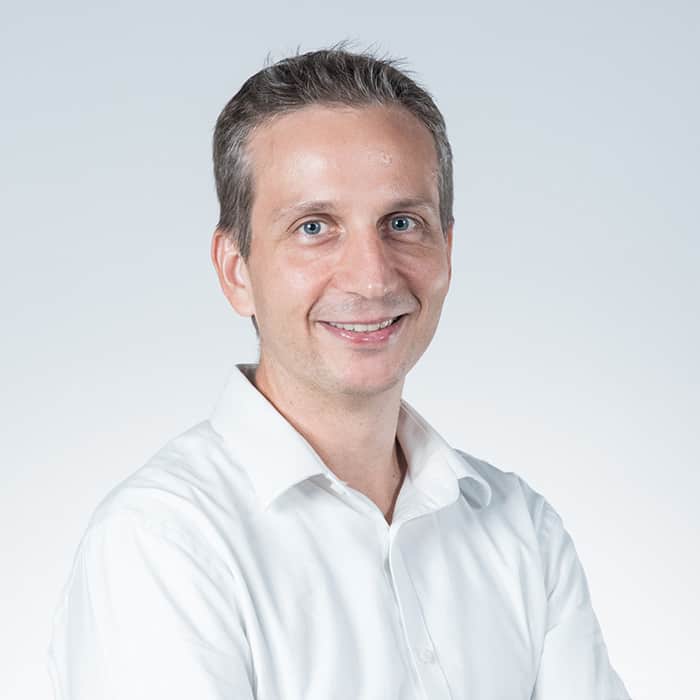
On 4 November 2026, Quantifeed joined industry leaders, innovators and policymakers at the International Financial Technology Forum 2026, held at the Asia Society Hong Kong Centre. Co-hosted by LUN Partners Group, NETSTARS, OSL Group and Quantifeed, this year’s forum brought together participants from across the global fintech ecosystem to explore how emerging technologies are reshaping cross-border payments, wealth management and business globalisation under the theme “Breaking Boundaries: AI Reimagining Cross-Border Payments, Wealth Management and Enterprise Globalisation.”
From Digital Adoption to Intelligent Empowerment
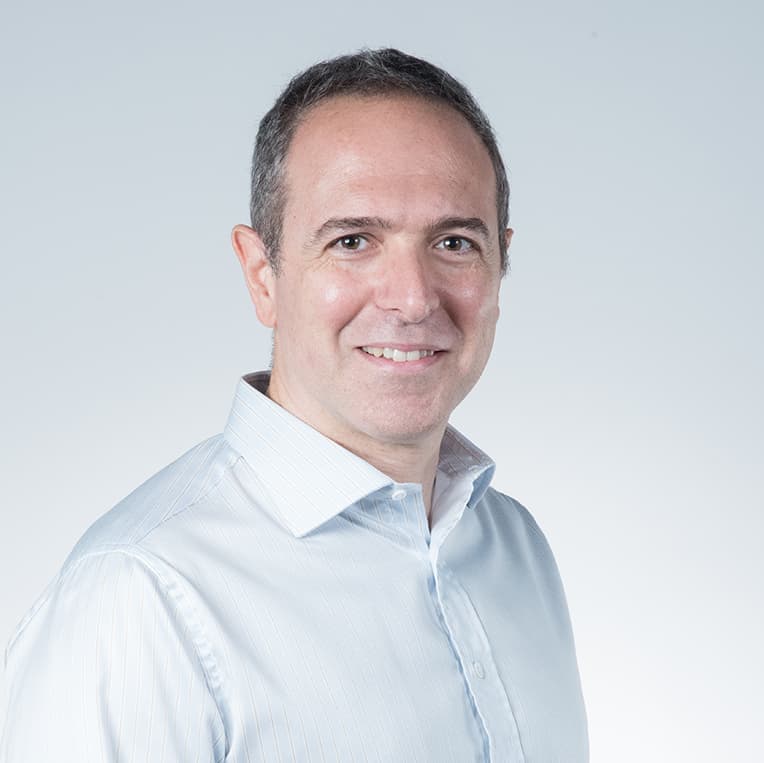
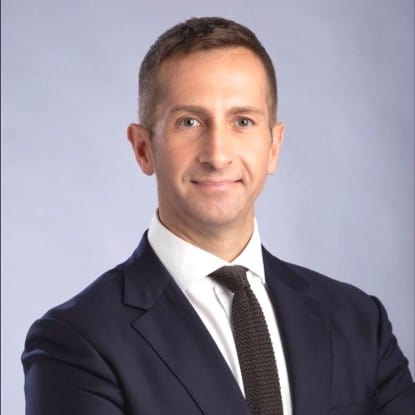
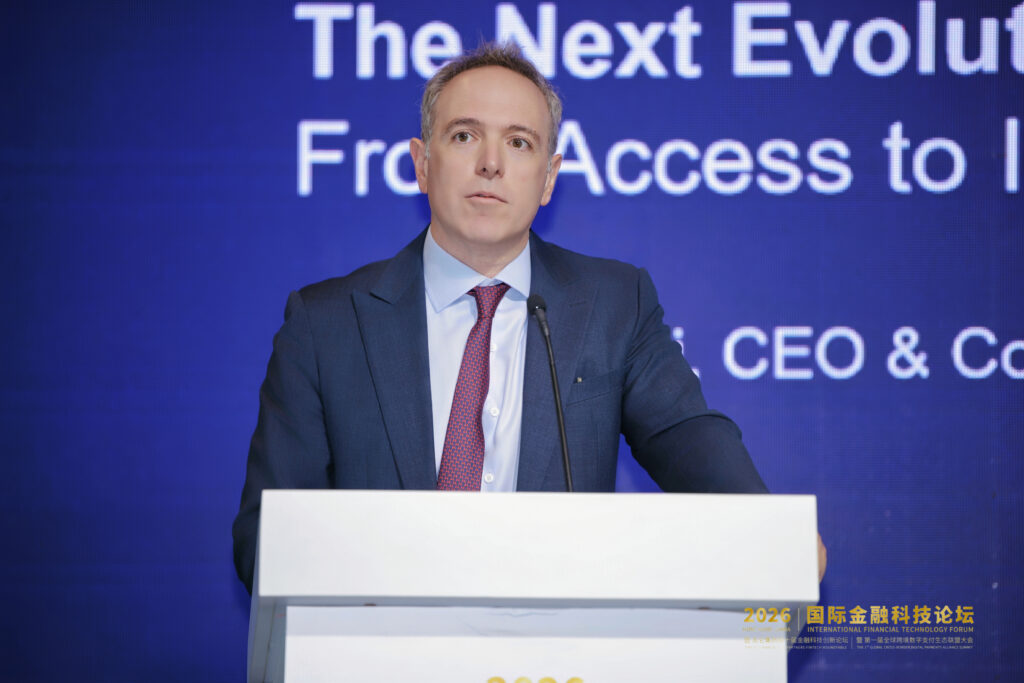
During the forum, Quantifeed CEO & Co-Founder Alex Ypsilanti delivered a keynote presentation titled “The Evolution of Wealth Management: From Accessibility to Intelligent Empowerment.”
Reflecting on the industry’s journey from the early days of robo-advice to today’s AI-driven capabilities, Alex highlighted how seemingly simple client experiences are supported by a complex foundation of technology, data and investment expertise. Using the analogy of an iceberg, he illustrated how customer-facing interfaces represent only a small part of the infrastructure required to deliver effective wealth management at scale.
Drawing on Quantifeed’s work supporting various clients in the region, he demonstrated how digital technology has helped extend discretionary investment services to a broader range of eligible investors while improving portfolio management and operational efficiency.
Looking ahead, Alex identified three key shifts shaping the future of wealth management:
- From recommendations to intelligent agents that help clients take action
- From individual accounts to a holistic view of financial wellbeing
- From periodic interactions to continuous, personalised support
As AI becomes increasingly embedded across the wealth value chain, he emphasised that robust infrastructure, high-quality data and seamless system connectivity will become even more critical to delivering meaningful outcomes for investors.
Building for Success in Wealth Management
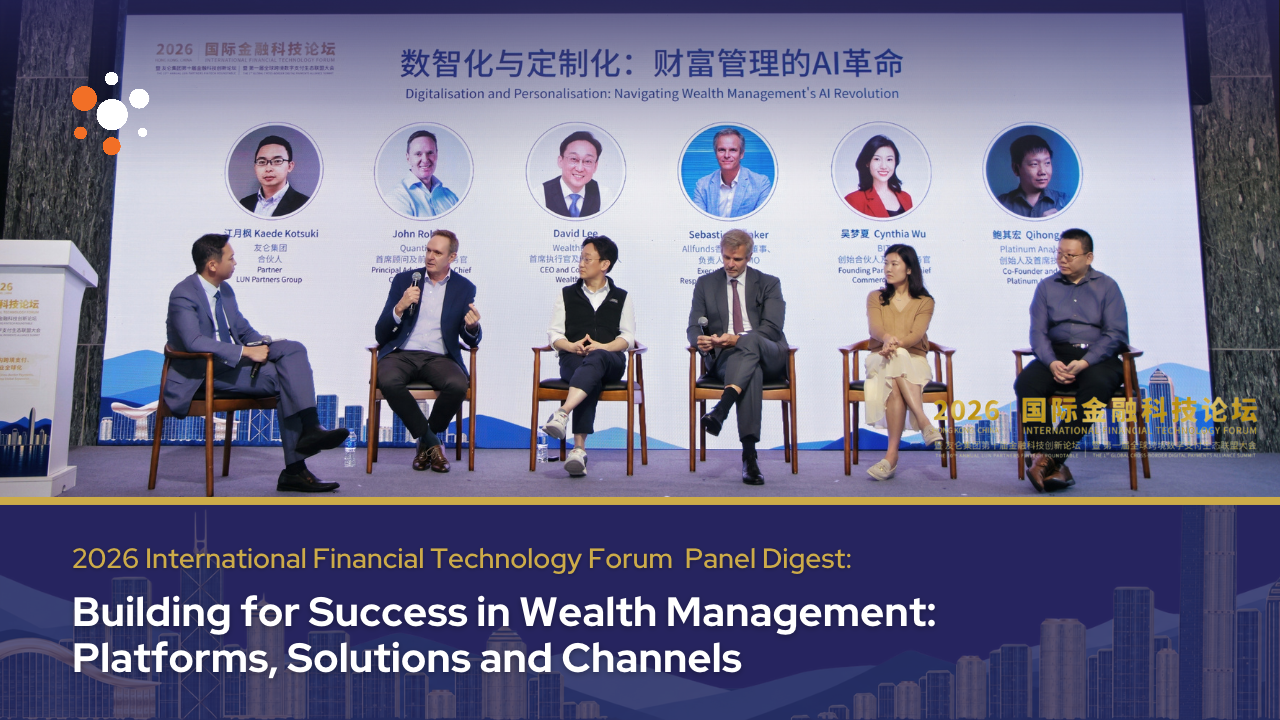
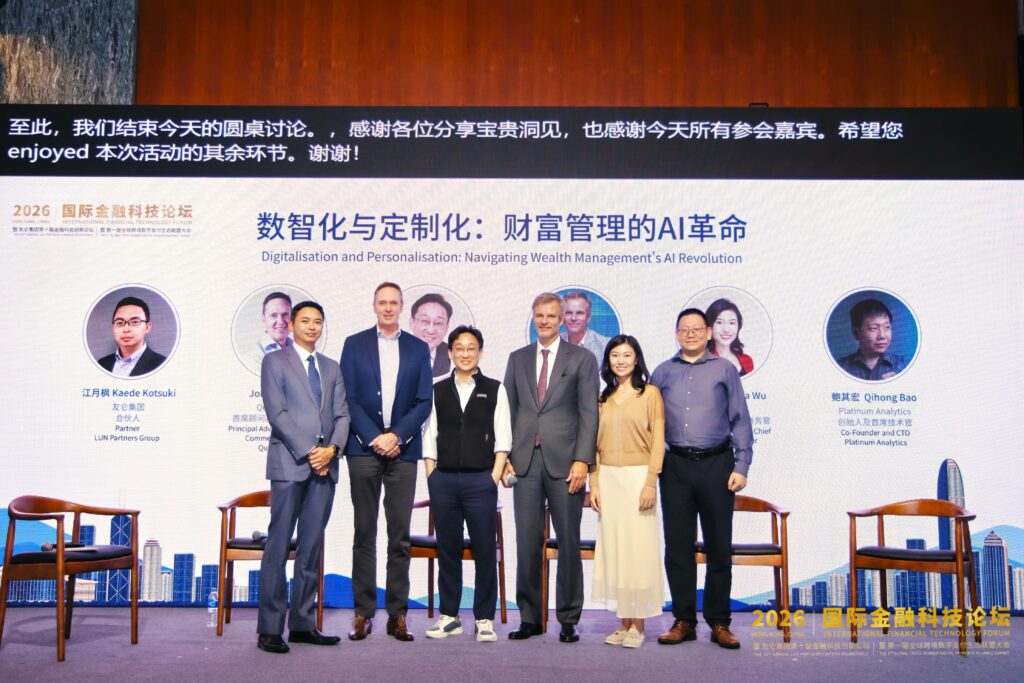
These themes continued in a panel discussion titled Building for Success in Wealth Management: Platforms, Solutions and Channels“
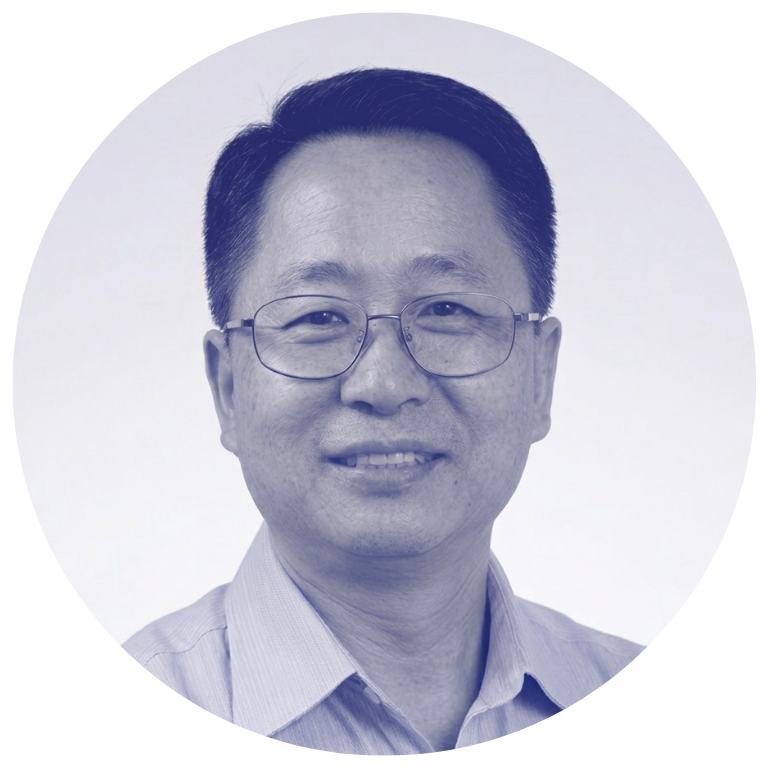
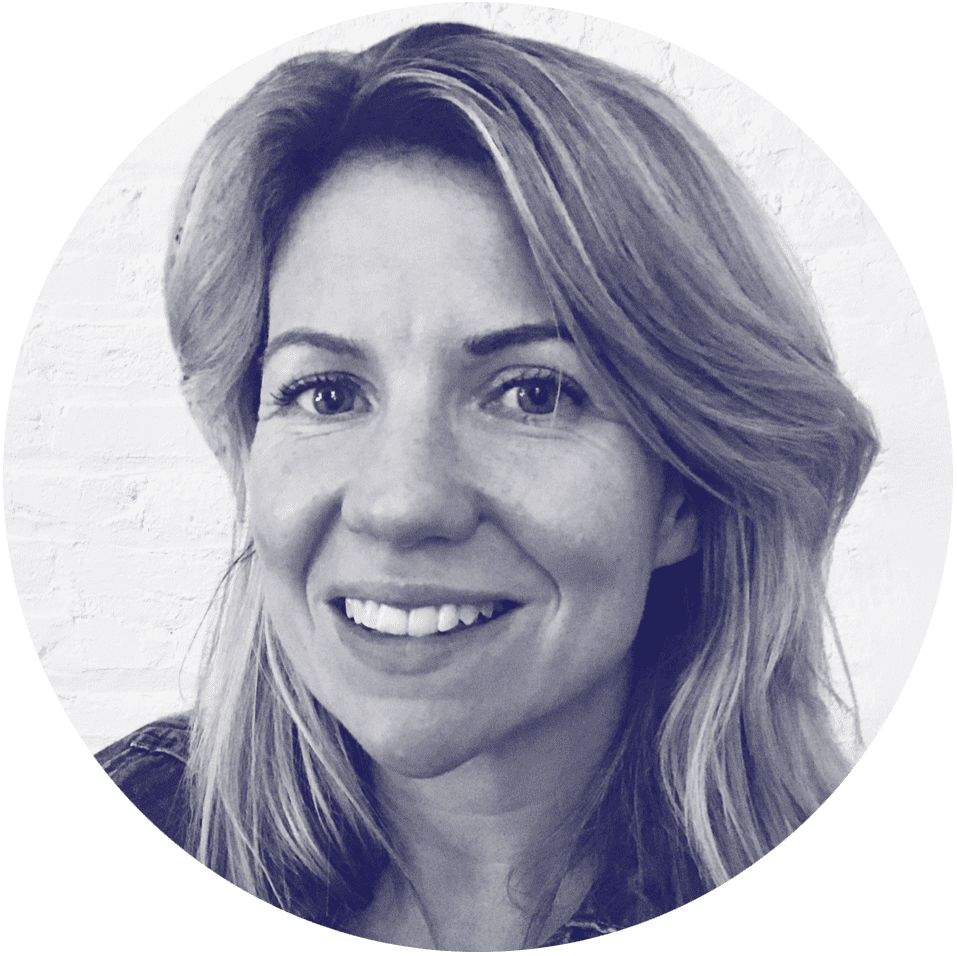
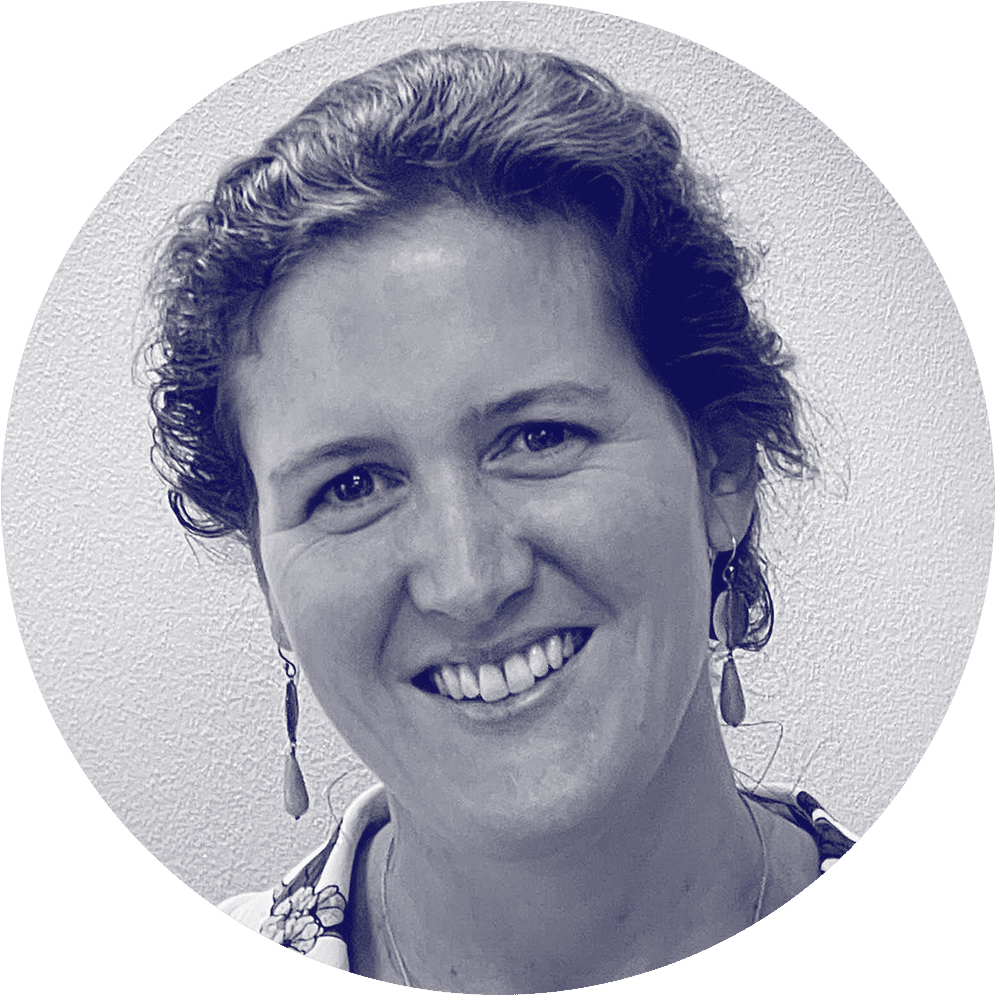
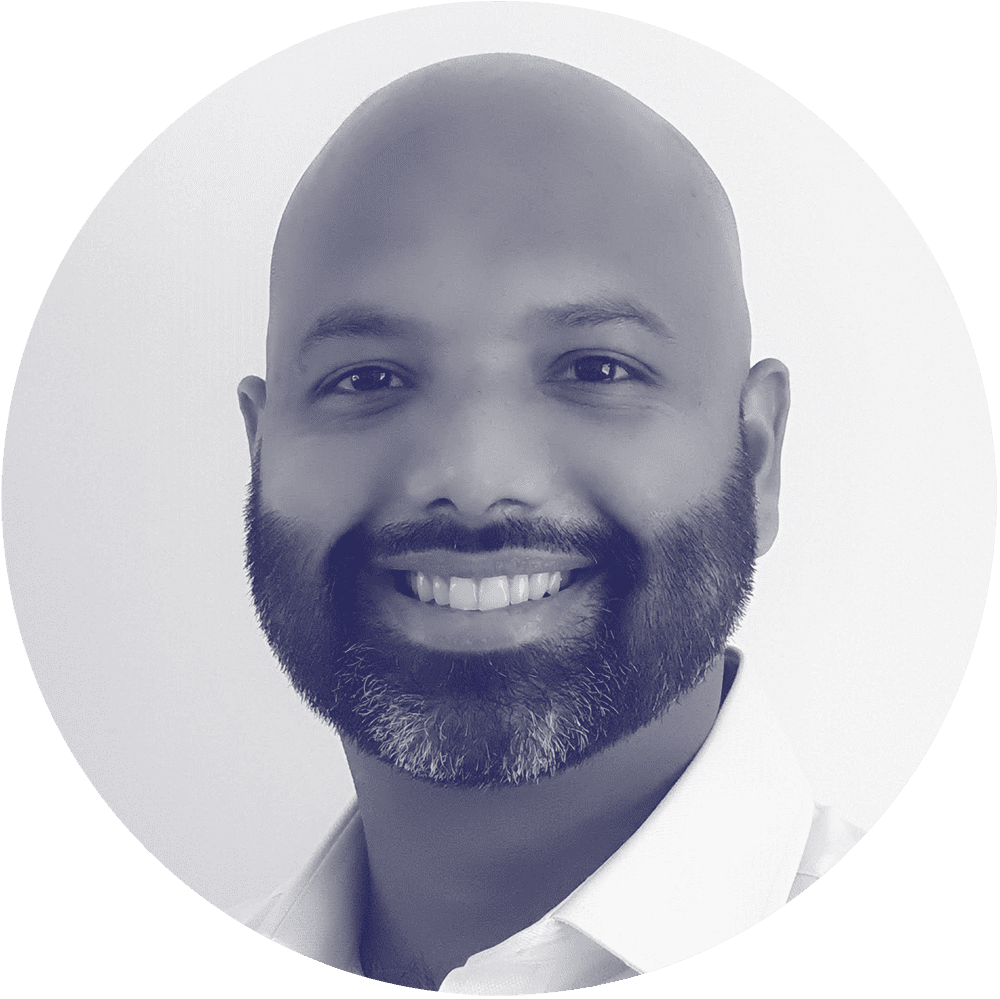
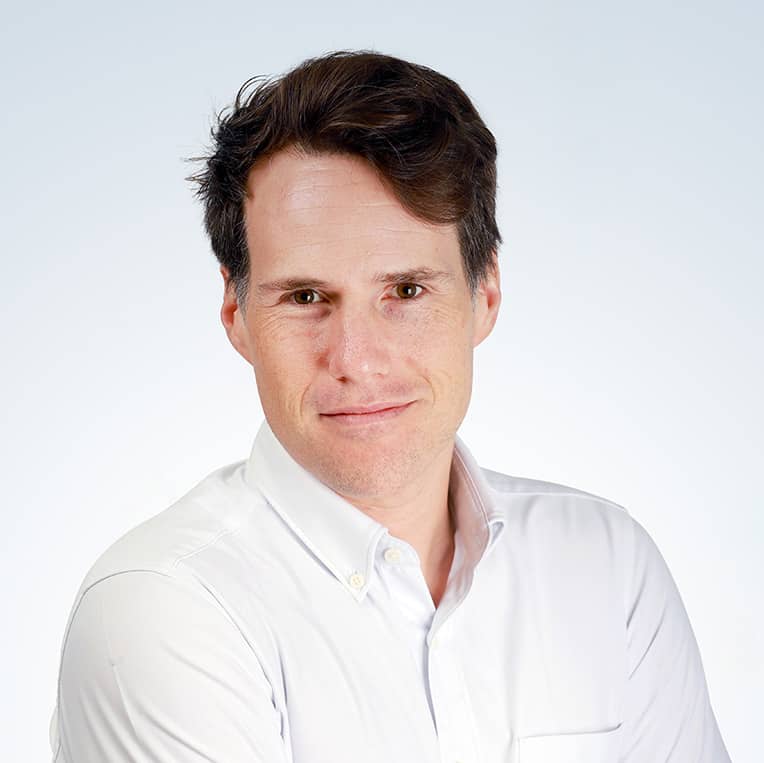
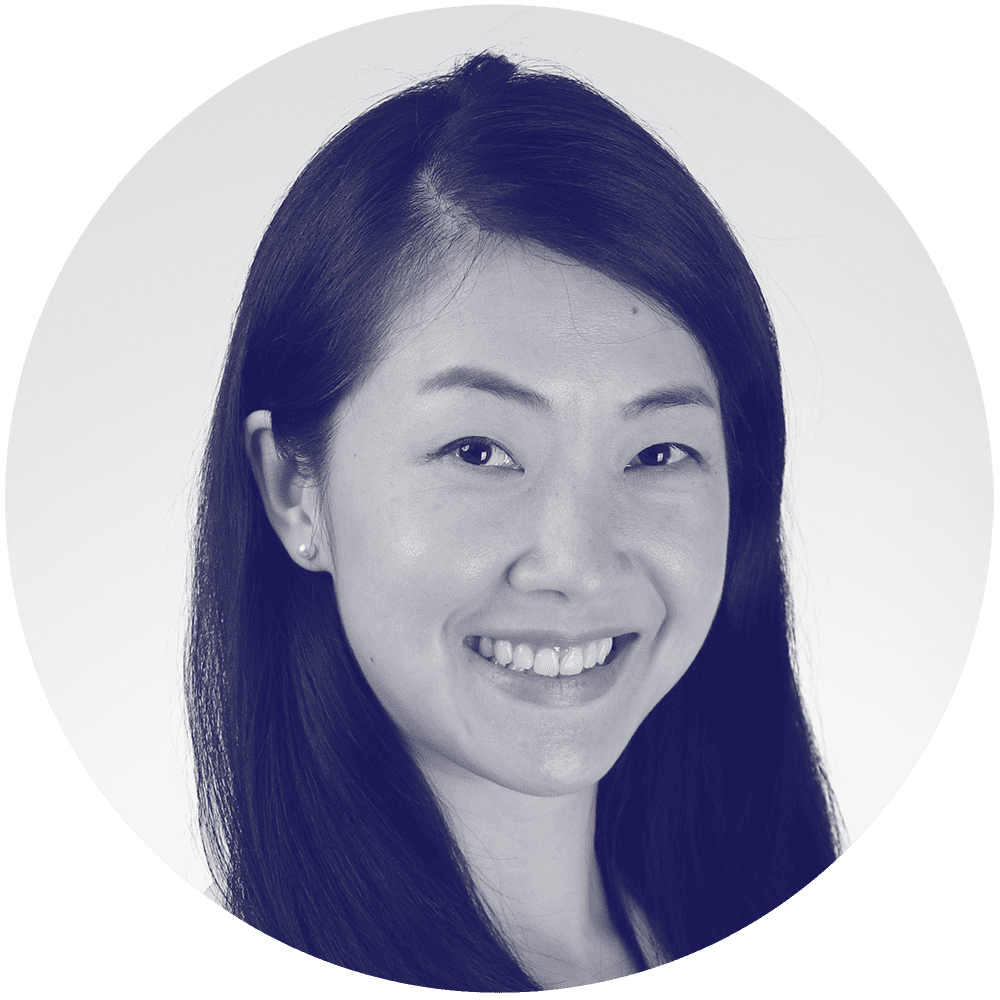
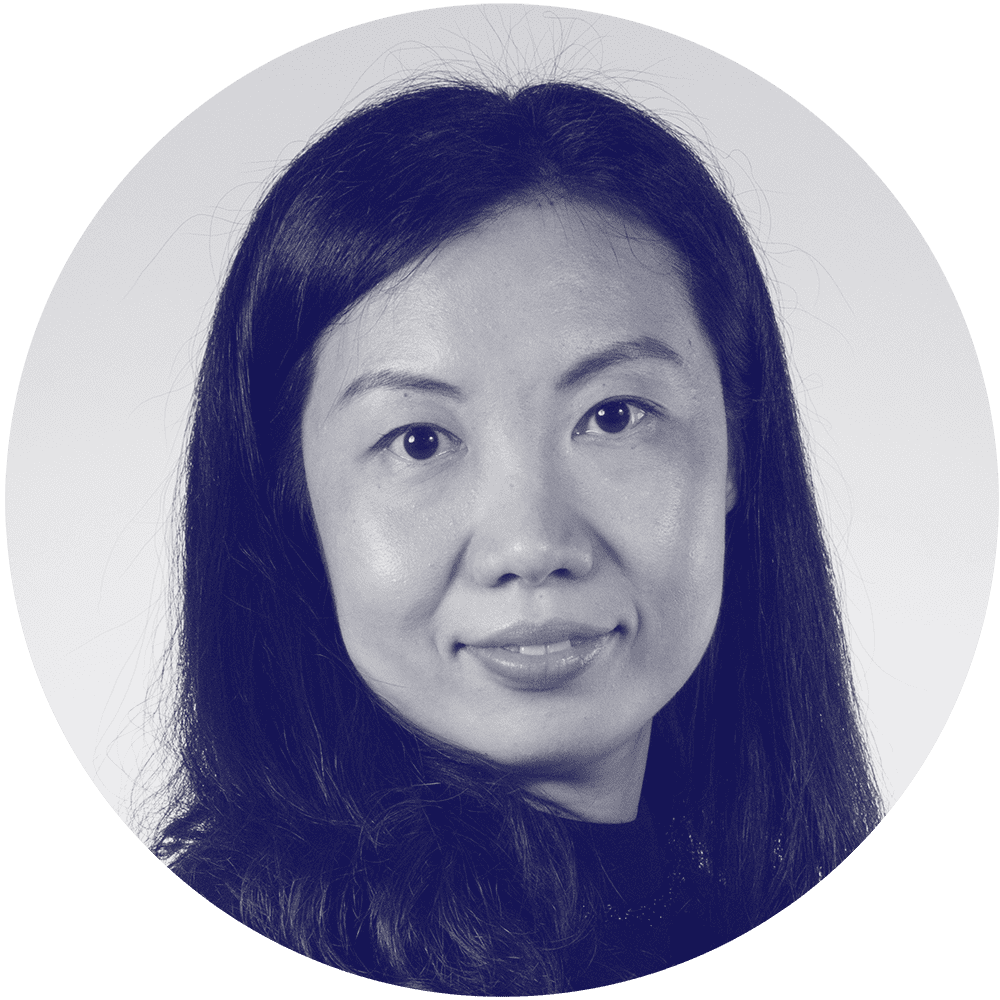
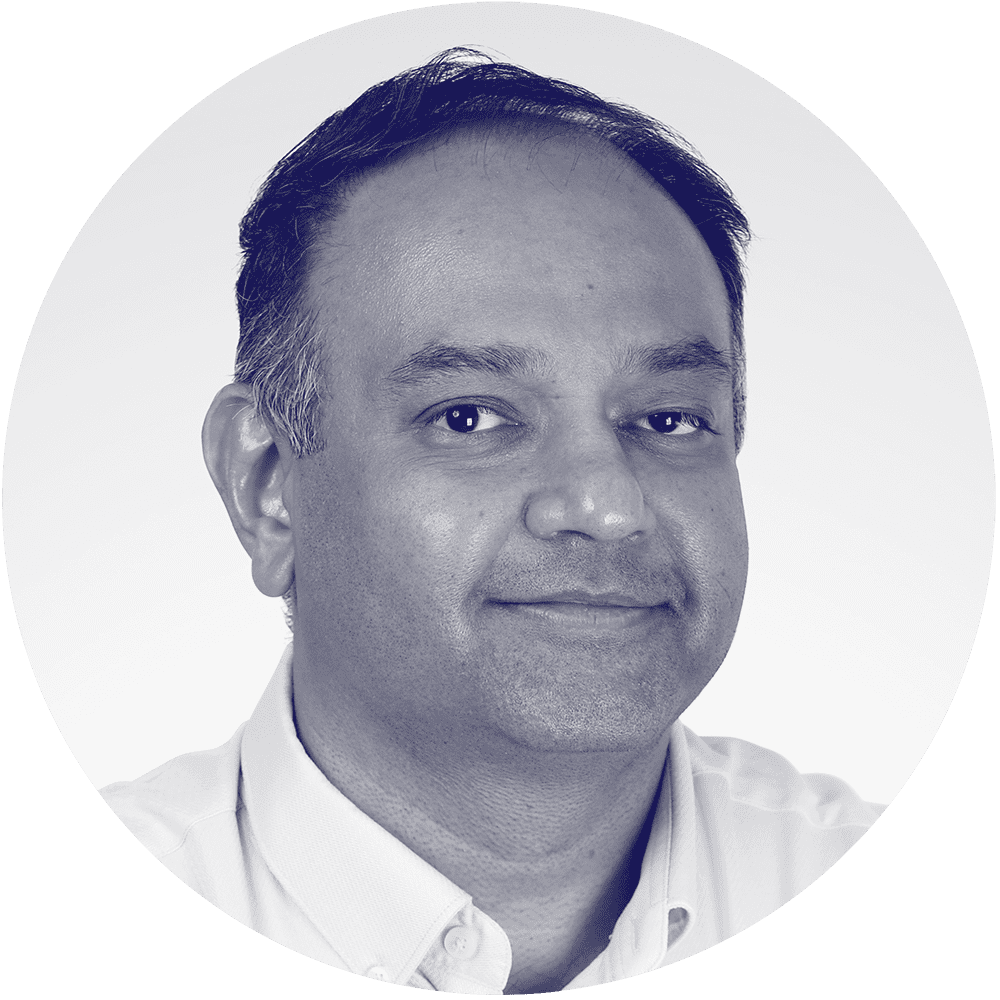
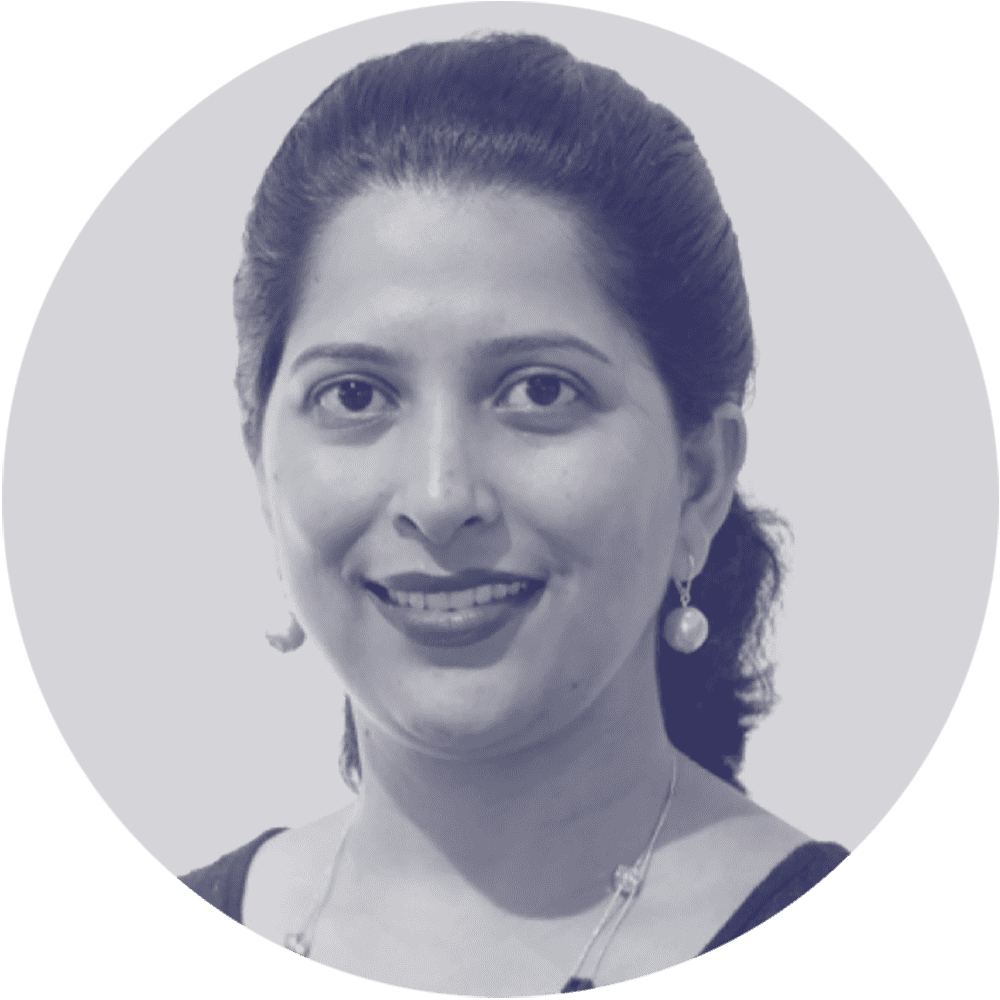
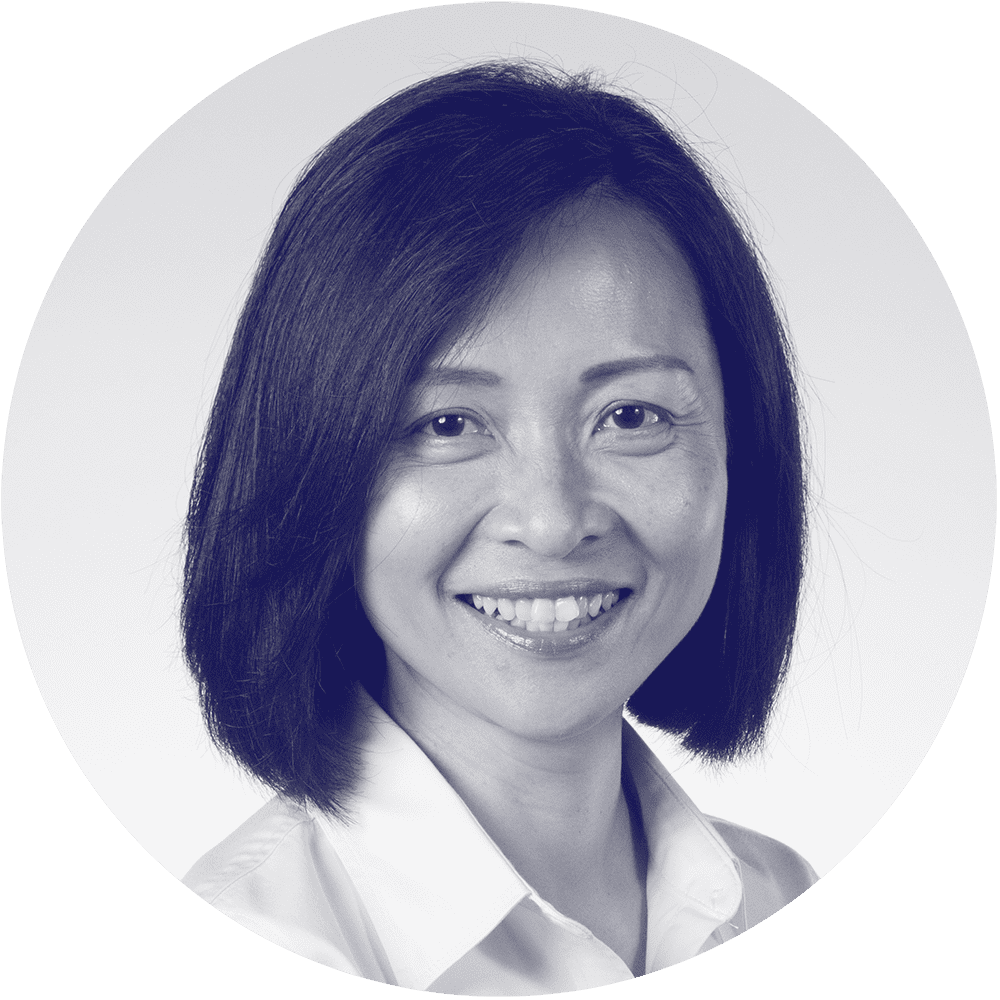
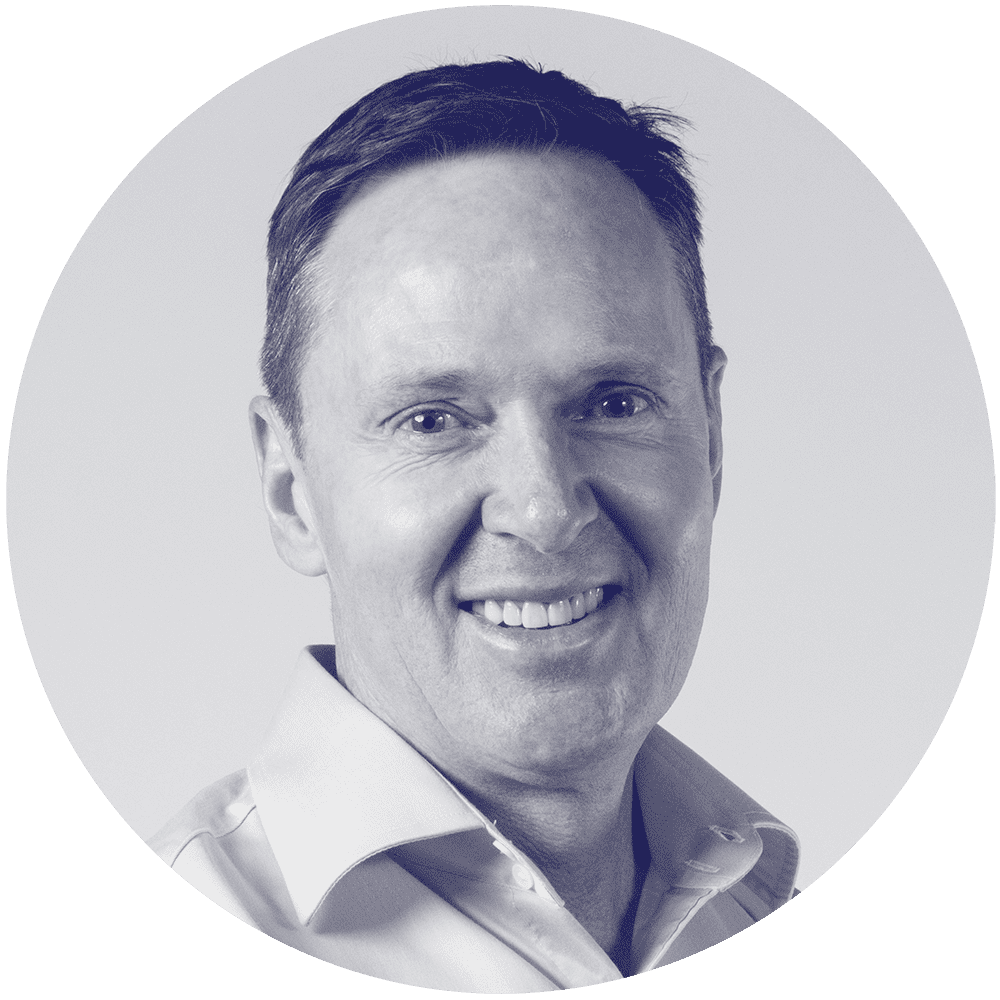
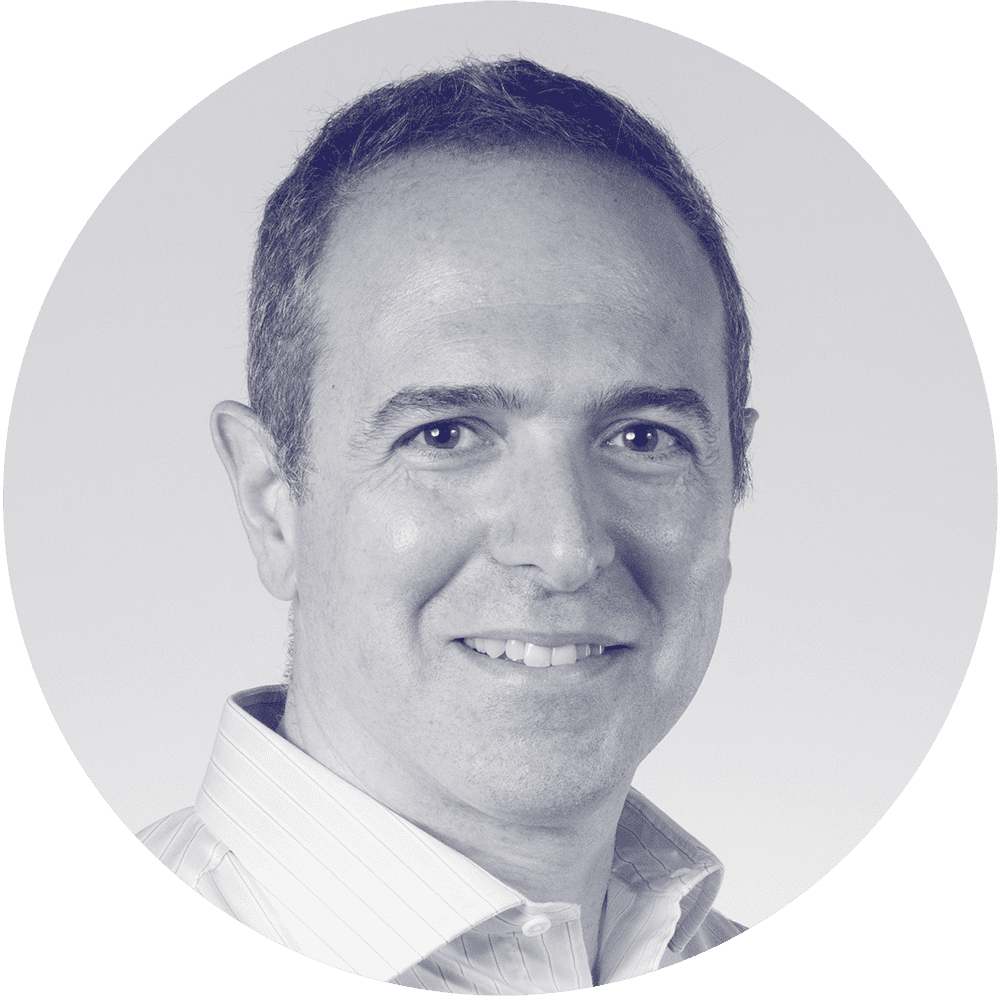
Moderated by Kaede Kotsuki, Partner at LUN Partners Group, the panel brought together John Robson, Principal Advisor at Quantifeed and former Chief Commercial Officer; David Lee, Co-founder and CEO of WealthRyse; Sebastien Chaker, Executive Director and Responsible Officer at Allfunds Hong Kong; Cynthia Wu, Founding Partner and Chief Commercial Officer at BIT; and Qihong Bao, Founder and CTO of Platinum Analytics.
The discussion explored how AI is transforming multiple aspects of the investment process, from research and portfolio construction to advisory services and trade execution. Panellists examined how financial institutions can leverage AI to overcome traditional data and technology silos, improve decision-making and deliver more personalised client experiences.
A common theme emerged throughout the session: AI is not replacing investment professionals. Rather, it is enhancing human expertise by strengthening analytical capabilities, streamlining workflows and enabling advisers and investment teams to serve clients more effectively.
The conversation also expanded beyond traditional wealth management, touching on the rapid growth of digital assets and the tokenisation of real-world assets (RWA). Panellists discussed the opportunities emerging as traditional finance and digital asset ecosystems continue to converge, opening new possibilities for investors and institutions alike.
Building the Future of Wealth Management
While AI may be accelerating innovation across the industry, one message remained clear throughout the forum: technology alone is not enough. The future of wealth management will depend on combining intelligent experiences with strong operational foundations, trusted infrastructure and deep investment expertise.
As financial institutions navigate this next phase of transformation, AI presents a significant opportunity to deliver more accessible, personalised and scalable wealth solutions. The challenge, and the opportunity, lies in building the infrastructure that can turn that potential into meaningful outcomes for clients.